
The Scamdemic - CardsFTW #170
Plus, The Atmos Visa Infinite Launches, SavorOne Changes, and the OnePay Card
SardineCon: Fraud, Scams, and the Future of Real-Time Risk
Last week, I was privileged to attend Sardine’s conference, SardineCon, in San Francisco. I’ve worked with Sardine in a few different contexts—both with clients and in previous roles—and I continue to be impressed with their ability to manage real-time transactional fraud on the issuing side.
Most people know Sardine for their onboarding work, which is important, but I think the bigger opportunity for many card issuers lies in real-time transaction decisioning.
Why Real-Time Transaction Fraud Matters
Many fintech issuing platforms use rule-based engines to decide whether to approve or decline a transaction. This is useful for limiting certain merchant category codes (MCCs) or flagging unusually large transactions.
But larger financial institutions take things much further. They use a wide range of signals—SDKs embedded in mobile apps to understand your location, historical behavior across accounts, even contextual signals like whether your other accounts are behaving normally. The goal is to answer the question: Is this really you?
Sardine is one of the few players bringing this sophistication into the fintech ecosystem.
A couple of sessions at SardineCon really stood out.
The first was a talk from Erin West, a former prosecutor (now with Operation Shamrock) who spoke about the criminal networks behind scams. These groups often traffic human slaves to run “pig butchering” operations. With tools like modern apps and even Starlink internet, they can operate globally, stealing money from unsuspecting victims at scale. It was a sobering reminder of how everyday technologies can be weaponized.
Another session featured Dr. Nicola Harding, a criminologist from the UK who studies phone theft. She shared a powerful video showing how a stolen Android phone could be turned into instant financial loss. Poorly designed apps make this far too easy—for example, if your phone is unlocked, many apps let a thief add a new fingerprint or Face ID with just a PIN. Suddenly, all of your banking apps are compromised.
The lesson is clear: when you’re building fintech, the bare minimum bar for security is very high. Moving money is serious business. Users want seamless experiences, but the balance between friction and safety is one of our hardest design challenges.
One of the more chilling demos at SardineCon was how scammers are now using AI. Sardine showed how someone could take a screenshot of a legitimate webpage, run it through AI tools like Vercel’s v0, and spin up a phishing site within minutes. Even worse, scammers can now use AI to build entire fraud campaigns in under 15 minutes.
The implication: fraudsters are getting faster, smarter, and harder to detect.
As one speaker said, “One of the greatest cons fraudsters have pulled is convincing us they’re dumb—when in reality, they’re very, very smart.”
I’ve been working around identity verification and KYC for almost 20 years, and it feels like we’re still having the same conversation: security vs. usability. SardineCon was a stark reminder that the stakes are only getting higher.
As AI raises the game for scammers, the fintech community needs to respond with smarter defenses, more thoughtful product design, and a relentless focus on protecting users without overwhelming them with friction.
Confessional Time
I have a confession to make. I blame my job for my behavior, and perhaps I do this for a living because of this problem: I applied for another card.
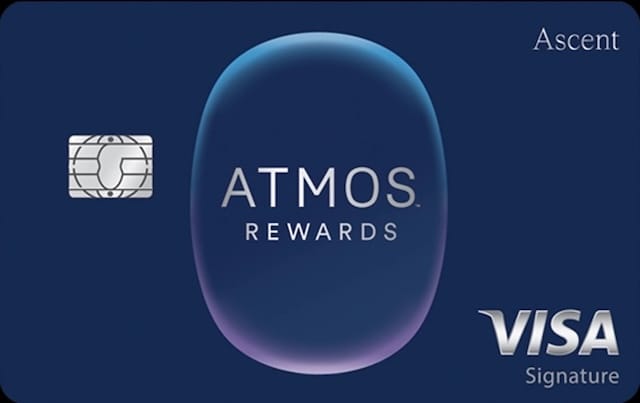
Yes, the 100,000 point signup offer (plus 5,000 extra for the waitlist) on the new Atmos Rewards Summit Visa Infinite card got me. My new card is in the mail.
I’ve been flying Alaska more lately; it’s the best route from Burbank (my home airport) to SFO. Fast, easy, nice experience. We recently took the airline on a family trip to Seattle (on points, of course). 100,000 is just too much for me to ignore.
Bank of America is Alaska’s card partner (has been for years), and they traditionally have offered a single $95 per year card. This $395-a-year card is a huge step into the ultra-premium game for BofA. The features I am most likely to use are 8 Alaska Lounge passes and 8 Wi-Fi passes every year (2 of each per calendar quarter). Each pass is valid for your entire travel day and includes entry for up to two accompanying children!
In my defense, given Alaska’s acquisition of Hawaiian Airlines, I already canceled my Hawaiian Card. So, net-net, there was no increase in card count.
SavorOne Update
Once upon a time, there was a Capital One SavorOne Card. Then it changed to the Capital One Savor Card (last year). Now there is a SavorOne card again, as well as Savor Rewards and Savor Rewards for Good Credit (catchy).
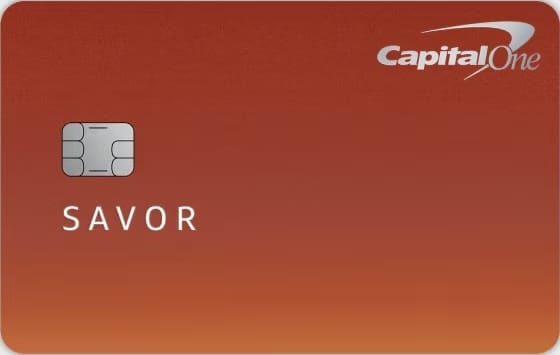
I guess Savor Rewards is best, Savor Rewards for Good Credit is OK, and SavorOne is for fair credit. One is bad, apparently? All cards include 3% cashback on grocery stores, dining, entertainment, and streaming (things you savor?) and 1% everywhere else. The lower your credit, the higher the fee, the less (or no) signup bonus, and the higher the APR.
OnePay Card
Speaking of One, but not savoring it, is the official announcement of the new OnePay Card for Walmart users, following big changes with Walmart moving away from Capital One as a cobrand issuer back to Synchrony.
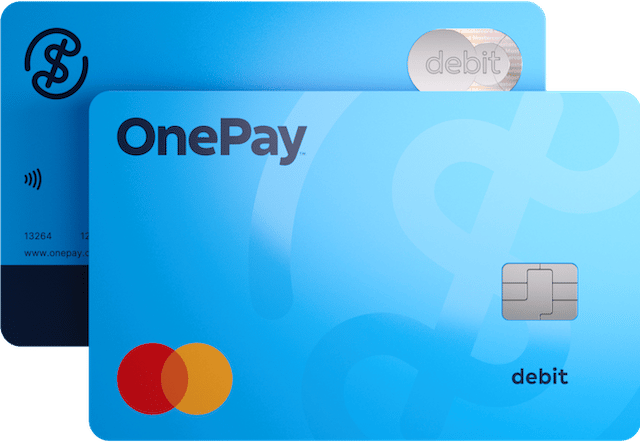
This new card earns 3% back at Walmart (or 5% back for Walmart+ members, which is $12.95 per month) plus 1.5% back elsewhere. Want to be like me, except you actually shop at Walmart a lot? Get an Amex Platinum, which gives you a free Walmart+ membership. But then use your OnePay card for Walmart purchases to earn enough cashback to cover your Amex Platinum fee. Complicated? Maybe. CardsFTW approved? 100%.
Me, Elsewhere
As a person who at one time owned three printed editions of Robert's Rules of Order, you will not be surprised to hear that I am always up for talking about compliance. I joined Carlin McCoy on the Payment Pros podcast to discuss why card compliance is important and share some stories. Listen to it here.


CardsFTW
CardsFTW, released weekly on Wednesdays, offers insights and analysis on new credit and debit card industry products for consumers and providers. CardsFTW is authored and published by Matthew Goldman and the team at Totavi, a boutique consulting firm specializing in fintech product management & marketing. We bring real operational experience that varies from the earliest days of a startup to high-growth phases and public company leadership. Visit www.totavi.com to learn more.
Interested in reaching our audience? You can sponsor CardsFTW.