
Intuit’s 2% SMB Card is Here - CardsFTW #199
Plus, I Mourn the AMEX Plum Card, and More New Cards!
CardCon
Next week, I will be in Phoenix at CardCon 2026. It’s not too late to attend! You can save 10% on conference registration with the code “totavi10”. Plus, Totavi’s own Jessica Marquez will moderate the panel “The Rise of HELOC Cards: With Refinancing Off the Table, a New Credit Product Emerges” on Thursday, April 23, at 10:45 a.m.
The Intuit Business Credit Card Arrives
I haven’t seen any news releases, but Totavi uses QuickBooks, and we received an ad for Intuit’s new Business Credit Card. Many of us in the industry have been waiting for this: One year ago, Intuit acquired certain assets and team members of Deserve. The acquisition changed the landscape of fintech credit card program management (read our latest market analysis here), with all programs on or building on Deserve’s platform shutting down or being forced to migrate.
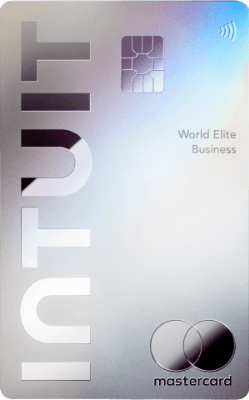
Now we see the logical outcome: Intuit is using Deserve’s technology and team to build its co-branded card, making it one of a few major brands to run this type of project largely in-house (others include Robinhood). Most brands, including technology and financial brands, have used credit card program managers (especially Deserve, which powered cards from Rocket and M1, for example).
The new Intuit Business Credit Card is a compelling and simple offer: The World Elite Mastercard card charges no annual fee, earns 2% cashback on all purchases, and 5% cashback on Intuit products and services. Issued by fintech sponsor-bank WebBank (which I don’t recall issuing with Deserve on other products), the card incorporates many modern features often seen from competitors like Ramp, such as easy-to-issue virtual cards, receipt capture, and other spend tools.
Early fintech business card leaders Ramp and Brex dabbled in the SMB space, but have since moved upmarket into corporate spend. Both brands require significant cash flow or funding and underwrite the business based on the business profile alone. (Ramp, for example, has required a $75,000 cash balance to open a card, which is hard for many micro businesses. Or retail, where balances can ebb and flow.) Traditional SMB cards, such as Capital One’s Spark or Chase’s Ink card lines, use the business owner’s personal credit as part of the underwriting process and guarantee.
From the card disclosures, it appears that Intuit is targeting businesses with fewer than 10 employees, which make up more than one-third of all U.S. businesses (although they account for a much smaller share of U.S. business revenues). Credit lines offered will range from $1,000 to $50,000.
I’ve been wondering whether Capital One will bring Brex’s spend-management tooling (e.g., receipt scanning, employee card delivery, etc.) to Spark, in which case Intuit will have a real fight on its hands. It might be surprising, especially to tech-focused readers of this newsletter, but something as simple as allowing you to send a virtual card to an employee or deliver a physical card directly to a remote employee is not easy with traditional issuers.
The Intuit card can get very expensive, with an APR up to Prime + 28.49%, which would be 35.24% as of my writing. Unlike some modern tech-focused charge cards, this card is a revolving card. Given Intuit’s massive reach amongst US SMBs and the richness of the rewards, I’m betting this product will be very successful.
JetBlue Premier Revamp
A little over a year ago, I wrote about the new JetBlue Premier Card (see CardsFTW #141), which I did acquire and for which I don’t fly JetBlue enough anymore to keep (but probably will because I assume I’ll get to NY again soon). Anyway, JetBlue and Barclaycard announced a number of new enhancements for this card without also raising the annual fee! The card remains $495 and now includes:
- A new Companion Pass Statement Credit (with spending requirements)
- A new annual 25-tile bonus (tiles help you earn key benefits like early boarding and status)
- A 50% increase in the redemption rebate
- Access to JetBlue’s new airport lounges at JFK and Boston
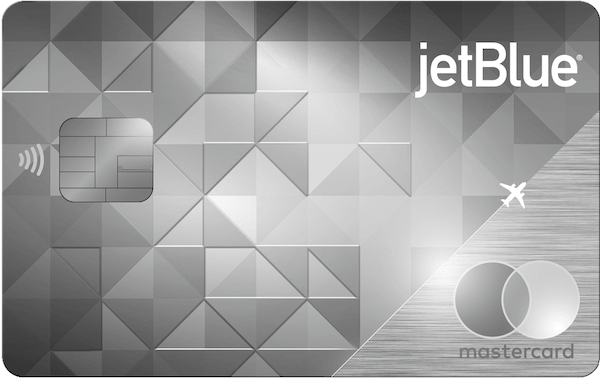
There are two features here that stood out to me. First, the Companion Pass. I love this as a way for a JetBlue loyalist to bring a friend or loved one along at a reduced cost and without burning points. Users earn a companion pass worth up to $500 after spending $15,000 in a calendar year. Users can earn an additional companion pass up to $1,500 after $75,000 in annual spend. I’ve noticed that $75,000 is a new magic number in annual card spending. That’s a lot of money: according to the U.S. Census, median household income in 2023 (the last year available) was $80,610. These cards are designed for the top end of the income ladder, and they want all of your spend. Chase Sapphire Reserve has a number of benefits that kick in at $75,000, and the trend continues.
Second, the new 15% redemption rebate allows you to earn 15% of your spent points back (up from 10%) when you book an award flight. Users are very satisfied with a card when they redeem their points. However, they are also ready to churn, as they just spent all of their points. A redemption credit gives a true boost to all points earned and creates an incentive to keep the card.
PNC Integrated Loyalty
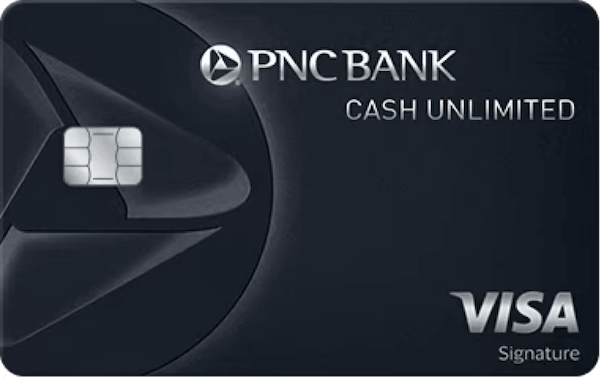
PNC, America’s fifth largest bank that loves to go around talking about how boring it is, announced a new consumer loyalty program like Bank of America’s Rewards program (previously Preferred Rewards, which now isn’t so preferred). Like BofA, PNC provides increased benefits as you increase your assets at the bank. Starting at $25,000 balances, the Silver tier includes a 5% bonus on credit card rewards, moves to 25% at $100,000 balances, and tops out at 50% at $500,000 balances. BofA in contrast starts at 10% for anyone with a checking account and a card, and tops out at a 75% bonus at $1 million or more.
Another Innovative Secured Card
Frontlands, a provider of asset-backed loans for those holding mineral rights, announced its upcoming launch of a Frontlands credit card in partnership with TransPecos Bank. We’ve been watching the growth of new secured cards backed by something other than cash for a while. We hosted a panel at CardCon 2023 on the topic featuring Yendo, an auto-title lender, and Pesto, a valuable goods program (which has since pivoted to providing secured cards as a service). We’ve all seen the rise of Aven’s home-equity backed cards (and will discuss this more next week at CardCon 2026). I’ve also met with folks working on gold, securities, crypto, collectors cards, and more.
As credit card interest rates and the cost of living rises, the appeal of cash access on a simple, everyday device like a credit card, with reduced interest rates thanks to secured assets is a winner.
Goodbye, Plum
A note on deal blog Doctor of Credit informed me that American Express has sunset application pages for the American Express Plum small business card. I had a Plum card in 2012-2015 and it was a great product. I always thought the Plum was an unsung hero of SMB cards, providing meaningful cash flow access.
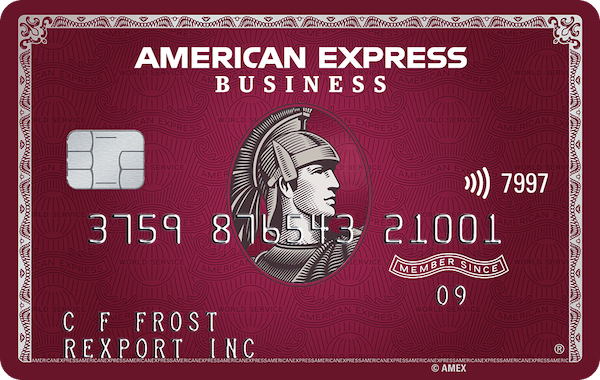
Structured as a charge card, a business could pay their bill in full within 10 days of closing and earn 1.5% cashback for the month. Or, the business could choose to pay 10% of the bill in 10 days, and defer the rest for 60 days, with no interest charges. Any small business owner will tell you there are times when cash gets tight and the Plum let you toggle a small loan on and off with ease. I’m guessing the Graphite is the new choice here (see last week’s CardsFTW #198). While I don’t have a Plum card today, I think it will be missed in the market.
CardsFTW
CardsFTW, released weekly on Wednesdays, offers insights and analysis on new credit and debit card industry products for consumers and providers. CardsFTW is authored and published by Matthew Goldman and the team at Totavi, a boutique consulting firm specializing in fintech product management & marketing. We bring real operational experience that varies from the earliest days of a startup to high-growth phases and public company leadership. Visit www.totavi.com to learn more.
Interested in reaching our audience? You can sponsor CardsFTW.