
Airline Co-brand Debit Expands - CardsFTW #200
Plus, wow, 200 issues, and Capital One Spark rebrands
Two-Hundred
Wow. This is CardsFTW #200. Thank you to everyone who reads CardsFTW, whether you recently subscribed or subscribed five-and-a-half years ago. While I went through some absences, I’ve been publishing pretty much weekly for the past three-plus years. It’s so encouraging to have folks who open every week, subscribe, and send me their thoughts (and corrections!) I want to share a few oldies if you missed them:
 Matthew Goldman
 Matthew Goldman
 Matthew Goldman
 Matthew Goldman
 Matthew Goldman
 Matthew Goldman
If you enjoy CardsFTW, please send this to one person you think would benefit from subscribing. Thank you.
Losing Its Spark
Capital One has rebranded its Spark Miles business cards to its Venture brand, now offering the Venture X Business, Venture Business, and VentureOne Business cards to replace prior Spark Miles editions. This firmly positions “Spark” as the business cashback brand and Venture as the primary travel brand. It’s a logical move given the hundreds of millions (if not more!) that Capital One invests in making sure everyone knows about Venture cards. (I don’t know about you, but I think Jennifer Garner flies private and isn’t impressed by an airport lounge.)
The Venture for business line offers cards targeted to each part of the spectrum:

Venture X is a charge card (you pay in full each month), has a $395 annual fee, but a huge 150,000 mile ($1,500) bonus when you spend $30,000 within three months of signup. Earning is simple: 2x miles on all purchases, with a bonus when you book through Capital One Business Travel.
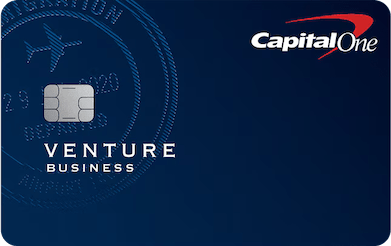
Venture Business is only $95 per year and is a revolving credit card, so you can carry a balance. You get an additional 3 months (for 6 total) to earn those 150,000 miles. The only earning difference is a reduction in spend on the Capital One Business Travel site, but I shrug at booking that way.
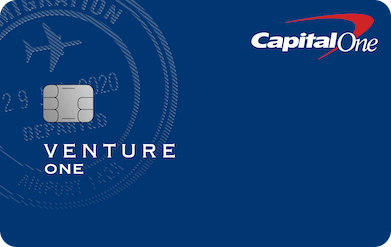
VentureOne (why no space?) is the no-fee entry with a smaller bonus and 1.5x miles per purchase. Like most business cards from major financial institutions, these cards require a personal credit check, personal guarantee, and delinquent payments will likely be reported on your personal account.
Airline Cobrand Debit: Not Just from Galileo
I’ve written a couple of times about new cobrand airline card offerings from Sunrise Banks and fintech program manager and issuer processor Galileo (a unit of SoFi). (See CardsFTW #147, #175, and #179.) This week at CardCon, a panel including Galileo will present, “Are Debit Cards the New Credit Cards?” (literally hours after this publishes).
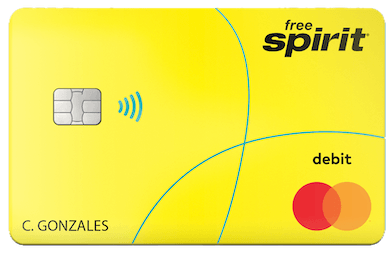
I am still skeptical, although brands have reported being pleased with user acquisition. Last week, Spirit Airlines (which may go out of business by the time you read this), announced the new Free Spirit® Mastercard Debit Card. This card will be issued by Cross River Bank and program-managed by Alviere, a fintech program manager.
The new debit card offers Group 2 boarding (not the best, not the worst), priority check in, and points pooling. Plus, you earn 200 points when you join (that is not a lot) and 200 points every month for your first year (OK so we’re up to 2,600 points). As a debit card, ongoing earning is lower than on a credit card, of course, with 1 point per dollar on Spirit purchases and 1 point per every 2 dollars everywhere else. The card has a $6.99 per month fee. Spirit does offer bonus points each month with higher balances
In comparison, United’s debit card offers a 10,000 point signup bonus (with $500 in spend), no monthly fee when your balance is at least $2,000 and only $4 when it isn’t. Plus, you can earn bonus miles the higher your balance is. Wyndham Hotel’s debit card, which, like United, is issued by Sunrise, offers a similar structure with a $6 fee unless your balance is $2,500 or more.
Earning points/miles, instead of cash for deposits is an interesting play. Maybe the folks arguing about stablecoin rewards can point regulators to how there are other programs that earn rewards, instead of yield. Either way, the rewards aren’t that great. This works out to an 0.80% APY, while high-yield savings accounts can earn you in excess of 3% today. Even if you buy points (which you shouldn’t; they are usually 2x more expensive), parking the cash in a HYSA and then buying points might work better.
As I noted in previous posts on this topic, I am all for cards for everyone! Not everyone wants (or can qualify for) a cobrand credit card. I get it. However, brands could put more marketing dollars behind these debit cards. I feel like these are designed to simply break even, even though the real cost of points for these brands is less than the value provided (See #98).
As far as Spirit goes, (which I flew once in 2004 and vowed never to fly again; it was the worst red-eye of my life), if they survive, the debit card will be a good-enough offering for their loyal fliers. If they don’t, it will be yet another fintech-style debit card on the side of the road (tarmac). It just goes to show you, even when banks and providers select “big brands” they aren’t guaranteed a win.
CardsFTW
CardsFTW, released weekly on Wednesdays, offers insights and analysis on new credit and debit card industry products for consumers and providers. CardsFTW is authored and published by Matthew Goldman and the team at Totavi, a boutique consulting firm specializing in fintech product management & marketing. We bring real operational experience that varies from the earliest days of a startup to high-growth phases and public company leadership. Visit www.totavi.com to learn more.
Interested in reaching our audience? You can sponsor CardsFTW.