
Discover Network Challenges - CardsFTW #181
Plus, lots of rewards news
Programming Note: CardsFTW will not publish next week, November 26 due to the Thanksgiving Holiday.
NerdCon
I’m in Miami at the first-ever FintechNerdCon. Congratulations to Simon, Colton, and the entire team on bringing something new to the industry.
I’m moderating a panel today at 3:00 EST entitled “Building B2B Payment Rails that Scale.” Tomorrow at 2:35 EST, I am leading a roundtable with LoanPro’s Scott Johnson on "What I Wish I Knew About Card Issuance.”
Find me or Ellen around. Rumor has it we are giving out nerds (the candy).
Challenges for Capital One’s Card Conversion
When Capital One acquired Discover (see CardsFTW 156), a key highlight of the deal is that it allows Capital One to convert some (or all) of its cards (both debit and credit) to a payment network (Discover) that it now owns and operates. Visa and Mastercard are independent companies, of which Capital One is a member/customer. American Express is the other example of a bank and network that are combined in a single company.
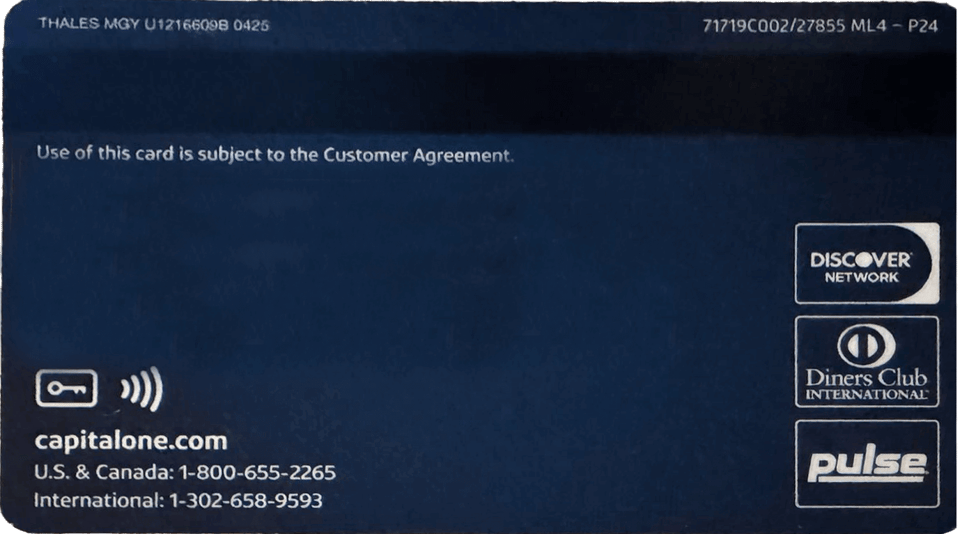
By converting cards to the Discover Network, Capital One gets full control of its cards, from design standards to economics. Even if the end rates to merchants are the same, Capital One can acquire the network portion of the fee.
Capital One began by converting consumer debit cards to Discover, and it is now facing challenges, as reported by The Wall Street Journal. Once upon a time (say 10-20 years ago), acceptance of the third and fourth largest networks (American Express and Discover) was a real issue. Today, the network overlap in the United States exceeds 99%. Yet, consumer perception lags. Even Discover Card ads have to battle this.
Payments are all about ubiquity. That 1% can become a big deal because it creates significant frustration. We used to joke that the best way to tell if a user had a Discover card was that they had two credit cards: you always needed a backup. Additionally, instant debit card transfers, like consumers do between wallet apps like Cash App and Venmo and traditional bank accounts don’t work aAdditionally, instant debit card transfers, like consumers do between wallet apps like Cash App and Venmo, and conventional bank accounts, don’t work as frequently on Discover as compared to Mastercard and Visa.
Internationally, the story varies. The numbers aren’t very good for international acceptance. In some geographies, it is great (Discover has a network deal with JCB in Japan, for example), while in others, it is not so great (European acceptance is lower). In the long run, I expect Capital One to continue the conversion and to invest in the problem. They will need to: rebrand the network (why split dollars across Capital One and Discover), incentivize merchants (they could take that network share and make their cards cheaper), and put millions of those little “we take” stickers on business windows.
Rewards News
A few quick rewards items this week that stood out to me:
JetBlue + Wells Fargo
First, JetBlue and Wells Fargo announced a miles transfer deal. Given that Barclays issues JetBlue cards, I am very surprised by this; usually, the issuing bank of a co-brand card has exclusive control over these transfers.
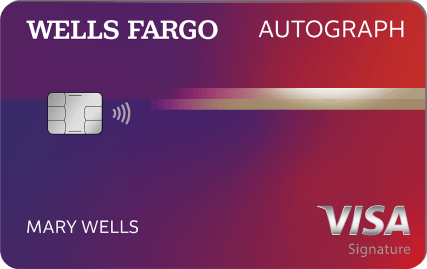
Cardholders with Wells Fargo points cards, such as the Autograph Card, can now transfer their points 1:1 to JetBlue. Amongst my 30 cards, I have never had a Wells Fargo card, but now might be the time.
Stablecoin Rewards
Stablecoin card issuer Rain announced its acquisition of Uptop to integrate rewards into its card programs. Very few credit card program management issuers offer comprehensive rewards capabilities; instead, they typically have only a basic set. Many of our clients elect to build their own rewards platforms as a result.
I am not familiar with Uptop, which has been issuing rewards for sports programs via a card-linked offer program. I’ll be watching how this integration creates new capabilities for Rain-issued cards.
Wallet Rewards
Both Cash App and Venmo announced new features this past week.
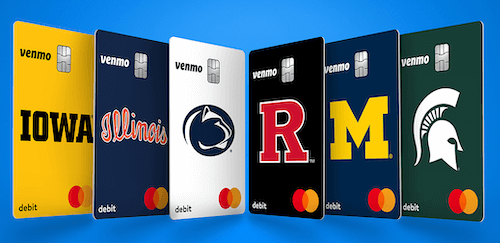
Venmo announced “Venmo Stash.” The program provides a 1% cashback on “bundle purchases", then 2% when users have auto top-up on, and 5% with direct deposit. Years must choose from one of three merchant bundles:
- McDonald’s, TikTok Shop, Uber, and Uber Eats
- Amazon, DoorDash, Domino’s Pizza, and Walgreens
- Walmart, Lyft, Taco Bell, ESPN, and GameStop
Wild. I want to know the internal names for these groups. Something like “social media meg” and “gamer greg”?
Cash App dropped a bunch of new features, including Cash App Green. This program looks a lot like traditional banking relationship programs. Users who spend $500 per month on Cash App or deposit $300 per month earn higher borrowing limits, free overdraft coverage, no fees for in-network ATMs, a higher savings rate, and priority phone support. Sounds a lot like my BofA program. While not cashback rewards, these are financial and service benefits for engagement.
Corrections & Amplifications
Last week’s newsletter created more feedback than usual. A few notes:
First, the folks at Fidem Financial want everyone to know that they no longer have a relationship with Onboard Partners (the webpage I was referencing on the Onboard Partners website was apparently out of date). I still think they share a private equity owner, who also owns Vervent, another credit card servicer. Fidem is not a fund, but manages funds. In the end, I think that they are best described as a program manager that brings capital.
Second, I inarticulately implied that the "honor all cards" rule first changed with the Durbin Amendment in 2010. The change in the rule allowing a merchant to accept only a debit card (not all cards with a network logo) was part of a 2003 settlement of a 1996 lawsuit. I was attempting to make a point that the decrease in interchange costs on large bank debit cards accelerated adoption of this rule (h/t to Tony).
Third, some folks asked about the interchange caps in the new proposed Visa and Mastercard settlement. Some media outlets reported that interchange will be capped to 1.25%. This is not true universally. The proposed settlement allows for a cap (and in fact, an overall 10bps decline) of the current rates, of which there are dozens, depending on the type of cards, type of merchant, and type of transaction. One of these rates is 1.25%, but many of them are higher (and some lower).
CardsFTW
CardsFTW, released weekly on Wednesdays, offers insights and analysis on new credit and debit card industry products for consumers and providers. CardsFTW is authored and published by Matthew Goldman and the team at Totavi, a boutique consulting firm specializing in fintech product management & marketing. We bring real operational experience that varies from the earliest days of a startup to high-growth phases and public company leadership. Visit www.totavi.com to learn more.
Interested in reaching our audience? You can sponsor CardsFTW.