
Robinhood Gold - CardsFTW #182
Plus, NerdCon, Tallied’s New Play, Curve’s Exit & Kudos Expands
I Finally Got My Robinhood Gold Card
After months on the waitlist, the Robinhood Gold Card finally arrived and the onboarding experience was impressively smooth. The application was handled as a soft inquiry using existing Robinhood account data, and interestingly, I never received a hard inquiry at all.
If you know the regulatory/technical reason some issuers can do this, and do it consistently, please tell me. My understanding has always been that a true credit application requires a hard pull, yet it never hit my reports. I’m not complaining (I have plenty of inquiries already), but I am curious.
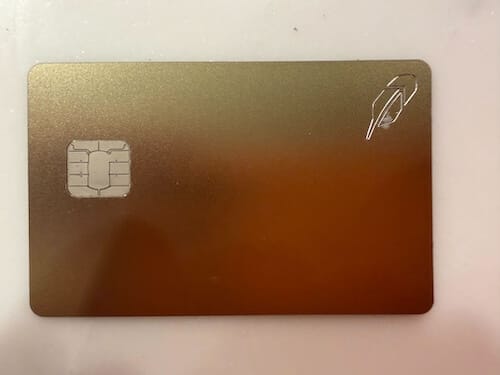
The card itself lives in a dedicated app and is more fully featured than many fintech-issued cards. There are joint accounts, minor/teen accounts, family cardholders. It is much closer to a traditional issuer’s capabilities than the typical neobank offering.
The Rewards Structure
This is where it gets interesting:
- 3% back but only if you redeem points to invest in your Robinhood brokerage
- 0.7¢ per point (≈2.1% back) if you turn on automatic statement crediting.
My hunch: a lot of users will choose statement crediting and never think twice about the difference. But the design clearly nudges customers toward keeping assets on-platform. This is consistent with Robinhood’s broader strategy as it pushes deeper into trading, savings, and even prediction markets.
And then there are the mystery boxes. Spend 1,000 points and receive a randomized reward that could be worth 10 points or 100,000. Personally, this feels a little too close to gaming mechanics for my taste, but many users will love it. It’s undeniably innovative.
As for me? I’m saving up points for the actual 24-karat gold card. Because of course I am.
NerdCon: A Strong First Outing
Two weeks ago I was in Miami for the inaugural Fintech NerdCon and the team (Colton, Joy, and Simon) deserves huge credit for pulling off an excellent first-year conference.
- Production value: high
- Attendees: high quality
- Content: thoughtful and varied
- Venue: a warehouse in Wynwood, which worked surprisingly well

It had the vibe of Money20/20, but without the scale-induced chaos, booked-out restaurants, or endless sprinting between meetings. I moderated a panel on B2B payments and found it much easier to run into people serendipitously and have real conversations.
One standout was the CFES regulatory bootcamp, sponsored by Mercury (THIS Mercury), which you’ll see more writing about soon.
A Suggestion for Year 2
Shift it a bit further away in the calendar from Money20/20. The conference calendar is currently bookended by Money20/20 (fall) and Fintech Meetup (spring), and there’s an opportunity for a third anchor event that feels fresh, not just an extension of the October conversations.
Quick Notes From Thanksgiving Week
Tallied Launches the ADA Credit Card
Tallied, a credit card program manager we’ve covered in prior reports, announced the ADA Rewards Elite World Elite Mastercard for both consumers and businesses. (In this case, ADA is the American Dental Association.)
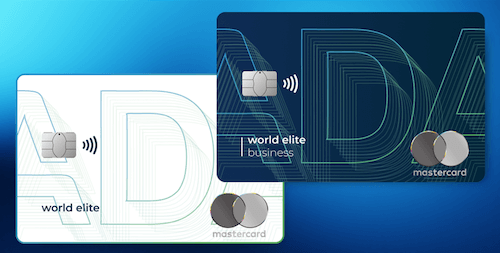
This is a portfolio formerly issued by U.S. Bank. Tallied is now converting it to their own platform with FinWise as the new issuing bank. FinWise continues to deepen its credit-card sponsorship business, expanding beyond its roots in lending and specialty payments.
Good to see Tallied gaining momentum after some challenging years with sponsor banks that ultimately exited the space. Expect more card launches from them.
Curve Acquired by Lloyds
Curve, one of my favorite products conceptually and philosophically similar to what I built at Wallaby, was acquired by Lloyds Bank in a deal reportedly around $160M, notably below previous valuations.
Curve’s model relied heavily on the UK’s open banking rules: you carried one Curve card, attached your other cards behind it, and transactions were rerouted intelligently. Users adopted it for rewards optimization, privacy, and short-term financing.
The product never fully achieved the scale or economics it aimed for and the exit reflects that. Still, it pushed the envelope on wallet routing and hopefully Lloyds keeps the core product alive.
The reality, one I’ve written about before, is that many of the capabilities early innovators pursued (including Wallaby’s ideas) are now simply features of Apple Pay and other wallets.
Kudos Takes a Big Step With Samsung
Kudos, another product I love and use, announced that its smart wallet capabilities, historically available through a browser extension, are now integrated into Samsung’s payment platform.
This helps users automatically pick the best card for any given purchase, directly within the native wallet UI. It reinforces a larger trend: The future of rewards optimization is inside the wallet, not on a separate card. (See above re: Curve)
I’m not a Samsung user myself, so I’m hoping we see an Apple Wallet integration next. They can call it Apple Wallet-by.
CardsFTW
CardsFTW, released weekly on Wednesdays, offers insights and analysis on new credit and debit card industry products for consumers and providers. CardsFTW is authored and published by Matthew Goldman and the team at Totavi, a boutique consulting firm specializing in fintech product management & marketing. We bring real operational experience that varies from the earliest days of a startup to high-growth phases and public company leadership. Visit www.totavi.com to learn more.
Interested in reaching our audience? You can sponsor CardsFTW.