
Goodbye, Pay by Palm - CardsFTW #190
Plus, BILT 2.0, StellarFi Launch, and more
Pay by Palm
I’ve been writing CardsFTW so long now that the newsletter is outliving products. Weird.
In CardsFTW #3, I covered Amazon’s announcement of Amazon One palm recognition technology. In that post, I reminisced about a startup I met in 2012 that tried to do this. Well, it turns out Amazon isn’t successful at this either: the company is shuttering Amazon One this summer.
With Amazon One, you could register a palm print as an identification tool, which in turn is tied to your cloud-based Amazon wallet. By scanning your palm, your charge would be applied to the tokenized payment of your choice (be it an Amazon card or a different credit or debit card).
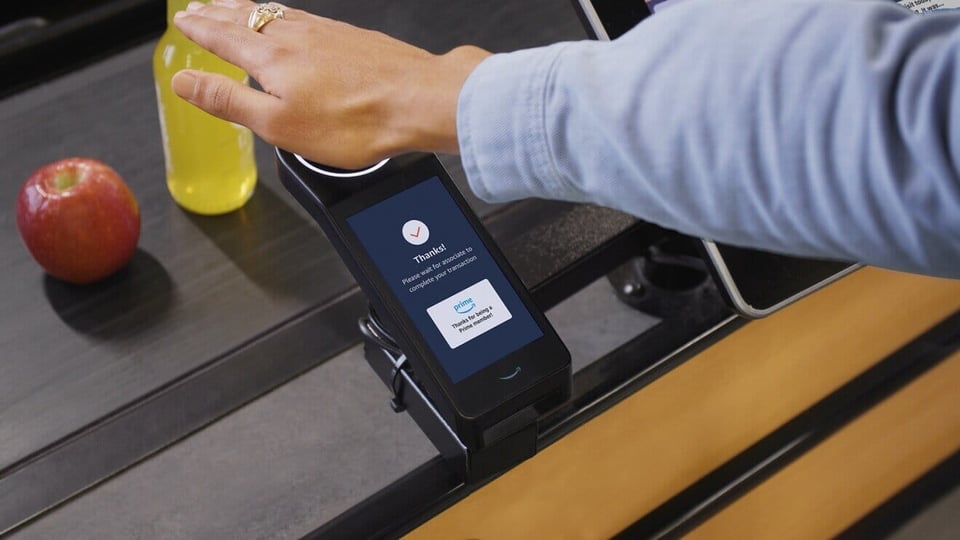
I liked Amazon One, which was available at Whole Foods Markets, Amazon Fresh, and Amazon Go. I’ve written about Amazon Fresh a few times (see CardsFTW #90). Now, Amazon is closing its Fresh and Go stores due to underperformance. Amazon One is going along with those stores. It was fun, but not any faster or easier, really, than tapping with your phone or watch. Part of the reason Amazon Fresh is closing is that customers were not comfortable using the Just Walk Out technology (which was just people watching videos offshore) or the smart carts. People seem to want to check out with other people.
StellarFi’s New Card
StellarFi started in 2021, offering a credit builder card product direct to consumers. The new StellarFi card, issued by TAB Bank, offers increasing credit limits based on your behavior. While many credit builder cards tell you that good behavior gets you a bigger line, StellarFi adds gamification tooling and clear paths to enable cardholders to understand how to level up their line.
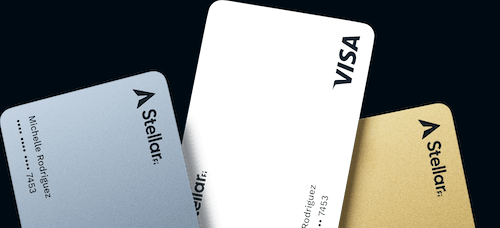
Three cards are available on StellarFi’s website: Silver (secured up to $500), Gold (semi-secured up to $5,000), and Stellarite (unsecured, up to $25,000). The company also offers a fully-managed, white-label credit and credit builder program for other providers (StellarFi Connect).
I’ll be watching closely. Credit builder products are hard, as is shifting from direct-to-consumer to infrastructure.
Fly Away, Aviator Cards
American Airlines acquired US Airways in 2015. At the time, US Airways offered credit cards through Barclaycard and American through Citibank. Both banks retained the right to offer certain cards following the merger (a similar thing happened with Marriott/Chase and Starwood/American Express).
The dual issuing situation always seemed untenable and the era is finally coming to a close. In less than 90 days, on April 24, all Barclays AAdvantage Aviator cards will migrate to Citibank. At least American’s complicated lineup will simplify. Just follow this easy list:
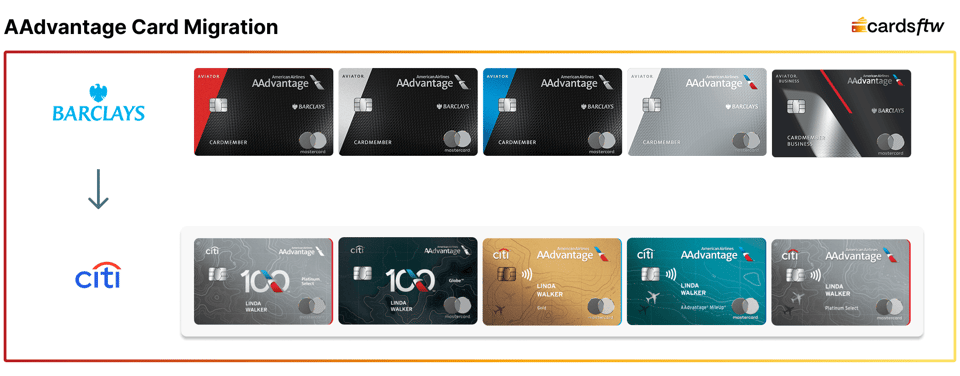
- Advantage® Aviator® Red World Elite Mastercard® becomes the Citi® / AAdvantage® Platinum Select® World Elite Mastercard®
- AAdvantage® Aviator® Silver World Elite Mastercard® becomes the Citi® / AAdvantage® Globe™ Mastercard®
- AAdvantage® Aviator® Blue World Elite Mastercard® becomes the Citi® / AAdvantage® Gold World Elite Mastercard®
- AAdvantage® Aviator® World Elite Mastercard® becomes the American Airlines AAdvantage® MileUp® Card
- AAdvantage® Aviator® World Elite Business Mastercard® becomes the Citi® / AAdvantage Business® World Elite Mastercard®
I don’t fly American much, I don’t have any cards from Citibank, and just one from Barclay Card. Transitions and migrations are hard, and I’m guessing problems will abound. The Citi cards don't have better names, but at least there will be half as many.
Bilt 2.0
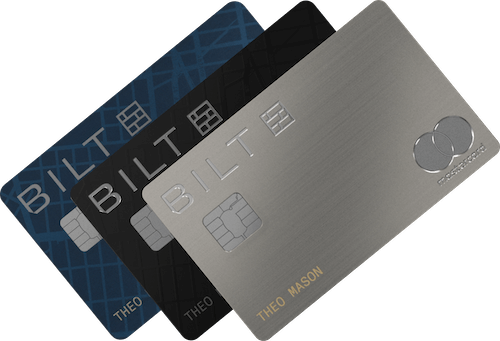
Over the past few weeks, the credit card rewards world has been abuzz, chatting about the Bilt 2.0 transition. Bilt, the fintech neighborhood loyalty program startup valued at more than $10 billion, is transitioning its entire portfolio from Wells Fargo in a somewhat traditional co-brand structure to a fintech-forward setup with Cardless, Column Bank, and Fidem Financial playing key roles.
The rollout was … rough. It's unclear whether the Bilt team conducted any market testing of their valuation proposition, but people were confused and angry. The company started with an exciting note about applying for new cards, a complicated release of “Bilt Card 2.0”, and an immediate reframing (two days later!)
To be frank, I put off writing about this in case it changed again.
If you have to explain your program through various tables and charts, you are doing it wrong. Bilt has long pointed to team members who come from the points and miles world (e.g., Richard Kerr, their head of loyalty, a former The Points Guy editor, and Brian Kelly, an investor, Mr. The Points Guy himself) as evidence of credentials.
However, and I think I can say this as I was Chief Product Officer at Bankrate, which owned and operated The Points Guy website, people who write about points and miles and people who operate credit card programs are usually very different people, with different experiences, and knowledge (yours truly excluded, I can sit comfortably on both sides of the table).
The people who write points and miles blogs and optimize their cards love to work the system. They love to feel like they are outsmarting the bank. They are there to exploit the loopholes.
Bilt 1.0 had a lot of loopholes. (Side note: the very first version of Bilt predates the Wells Fargo card and was issued by now-infamous Evolve Bank & Trust).
Some loopholes of Bilt 1.0:
- You could pay rent to anyone
- Rent wasn’t verified
- You needed only 5 transactions (of any value) to qualify for rent points.
As a result, and as has been well-documented, few users carried a balance or used the card extensively.
The new card is designed to limit some of those loopholes by creating a connection between how much you spend each month on the card and the points you can earn on your rent. That makes sense in general, however:
- Given the rent and housing burden crisis, expecting people to spend 75% of their monthly rent on credit card purchases to earn 1x points on housing seems high for average folks
- They made it so complicated that there are still two options
- There are both Bilt points and Bilt cash
I asked the Totavi team to help me assess this, and I received an 800-word summary. Not good. Compare that to, say, the Robinhood card, which can be summarized as “3% cashback on everything,” not “there are three cards, each with two reward structures.”
Look, if I need a calculator to figure out if:
- I should get the card, if so
- which one, if so
- which option to choose, you’ve lost me. And I like this stuff!
Bilt has a tremendous brand and franchise. They have integrated with major housing companies and built (I can only avoid the pun for so long) a unique network of neighborhood loyalty earning opportunities. Bilt has also demonstrated that the original product construct drove tremendous growth. Earning points on spend that previously didn’t earn points is very compelling! What remains to be seen is how well Bilt 2.0 (and beyond) performs.
CardsFTW
CardsFTW, released weekly on Wednesdays, offers insights and analysis on new credit and debit card industry products for consumers and providers. CardsFTW is authored and published by Matthew Goldman and the team at Totavi, a boutique consulting firm specializing in fintech product management & marketing. We bring real operational experience that varies from the earliest days of a startup to high-growth phases and public company leadership. Visit www.totavi.com to learn more.
Interested in reaching our audience? You can sponsor CardsFTW.